15 November 2026
Going to a gig alone
Going to a gig alone is completely normal, gives you control over where you stand and when you leave, and nobody in the crowd cares.
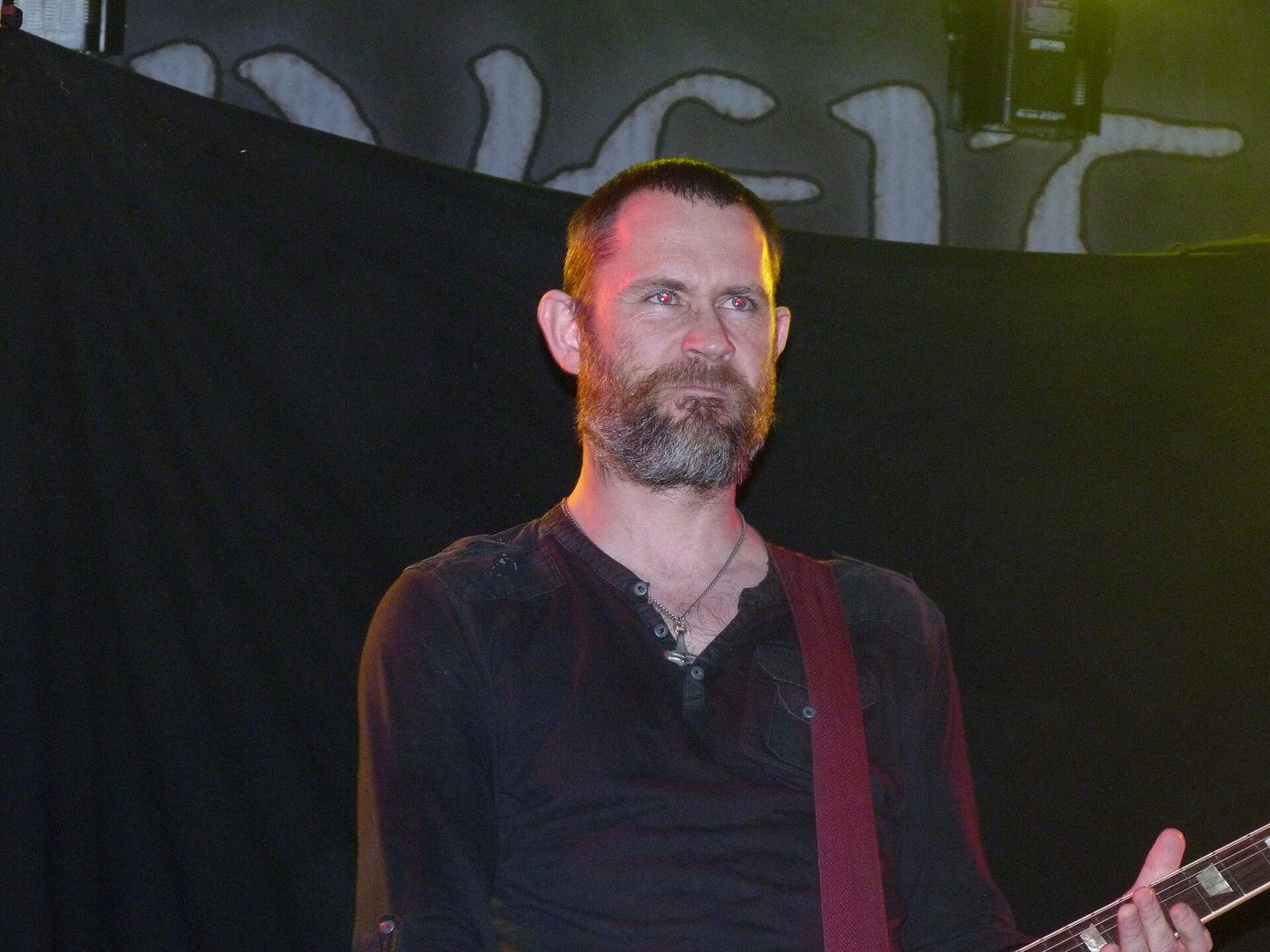

Going to a gig alone is standard practice, especially in heavy music, and nobody in the room cares that you arrived by yourself. You get to stand exactly where the sound is balanced, skip sets you do not care about, and leave the second the encore ends. If you wait around for friends who share your taste in metal or hardcore, you will spend most of your year sitting at home missing tours.
Where to stand in the room
Walk straight to the sound desk. The front of house engineer sits there with the mixing console because that spot gets the truest audio mix in the room, balanced for stereo separation and clear vocals. Standing directly in front of the desk or along the crash barrier around it gives you a clean line of sight over heads and keeps people from bumping you from behind.
Stay out of the central space between the sound desk and the stage if you want to watch the set without defending your ribs. That space turns into a mosh pit within seconds of the first heavy breakdown. If you want to mosh, move into the middle, but if you came solo and want to keep your drink off your shirt, the perimeter is your friend. The sides of the hall offer a clear view, though you risk getting a muddy bass wash if you tuck yourself right underneath the wall-mounted PA speakers.
Avoid standing directly by the main entrance doors or the walkway to the bar. People push past every few minutes with stacks of plastic cups, spilling lager down your back and shoving you sideways. Pick a spot near a structural pillar or against a perimeter railing if you like having a solid barrier at your back.
What to do between bands
The gap between the support acts and the headliner can drag when you have nobody to talk to. The usual advice tells you to chat to strangers, but you do not need to force small talk with someone who came with a group of friends. People are there for the music, not speed dating.
Use the changeover to sort out what you need. Buy your drink or refill your water cup right as the support band finishes, before the bulk of the crowd decides to move. Head to the merch desk while the queue is short. Buying a shirt before the headline band means popular sizes will still be on the rail, and you can throw the shirt over your shoulder or put it straight on.
If you prefer to keep to yourself, check your phone, read the tour dates on the back of people's hoodies, or step into the smoking area for fresh air. Do not worry about standing on your own looking blank. Look around the room during any changeover and you will notice dozens of people doing the exact same thing.
Handling the pit on your own
In punk and hardcore rooms, the crowd moves as a single mass. If you jump into the pit alone, nobody knows or cares who you arrived with. The standard rule of heavy pits holds across the UK: if someone drops, people haul them back to their feet before anyone can step on them.
The issue when you are solo is losing your belongings. If your phone slips out of a shallow pocket while bouncing off someone's shoulder, finding it on a wet beer-soaked floor during a breakdown is almost impossible. Empty your pockets into zipped compartments or put your phone in a secure inside jacket pocket before you step into the floor action.
Keep your elbows bent at chest height and your feet wide. If a push pit turns into hardcore dancing, step back toward the barrier edge. Taking a wild fist to the jaw because you stood on the edge of a beatdown pit without paying attention is an easy way to ruin an evening.
Keeping your gear safe
Do not bring a heavy backpack to a standing gig. Venues will search it on the door, slow you down, and either make you check it into a cloakroom or turn you away outright if their storage space is full. Travel light with your phone, bank card, keys, and earplugs in zipped pockets.
Earplugs are non-negotiable. Small club venues push heavy guitar amps and drum monitors past safe listening levels within seconds of the opening snare hit. Foam buds work if that is all you have, but reusable silicone plugs with acoustic filters keep the music clear rather than muffling the high end into mud. If you forget earplugs, ask at the venue bar; many bars keep pairs under the counter for punters who ask.
Wear flat shoes with decent grip. Floors in independent venues get coated in spilled cider and condensation within twenty minutes of the doors opening. White trainers will get wrecked, and canvas slip-on shoes offer zero protection when someone in heavy boots lands on your foot.
Getting home after the curfew
Work out your exit route before you step inside the venue. Check the scheduled finish time against the train and bus timetable on your phone earlier in the day. Venue curfews in town centres run to a strict schedule so the venue avoids noise fines, but bands occasionally run late due to technical issues during soundcheck.
If you need to catch the last regional train home, do not wait until the final cymbal crash to walk out. Once the house lights come up, hundreds of people try to funnel through narrow doors at the same time, jamming the exits and the cloakroom counter. Slipping out from the back of the room during the start of the final encore song saves you a sprint down the road to the station.
Keep your phone battery alive throughout the gig. Cold weather outside and poor signal inside concrete venues drain phone batteries quickly. If you rely on a digital ticket or a transport app to get home, set your phone to low power mode the moment you enter the venue.
Keep reading
Now go and see a band.
Metal, punk and hardcore gigs across the UK, listed by city.